How Periodontists Personalize Gum Disease Treatment Plans

Gum disease rarely follows a neat script. Two patients can arrive with the same complaint, bleeding gums while brushing, and leave with very different treatment plans. That is not inconsistency. It is good periodontal care.
A periodontist does not treat a diagnosis in the abstract. They treat the person attached to it, along with the shape of their gums, the depth of their pockets, the condition of their bone, their medical history, their habits, and their ability to heal. That is why personalized Gum Disease Treatment matters so much. The disease itself can range from mild gingival inflammation to deep infection with bone loss, loose teeth, recession, bite changes, and chronic discomfort. A standard recipe does not account for that range.
Patients often assume the treatment decision comes down to one question: do I need a deep cleaning or surgery? In practice, the planning process is more layered. The first visit can reveal clues that change everything, from undiagnosed diabetes to clenching habits to an old crown margin trapping plaque beneath the gumline. Small details shape the plan.
The first appointment is more investigative than most people expect
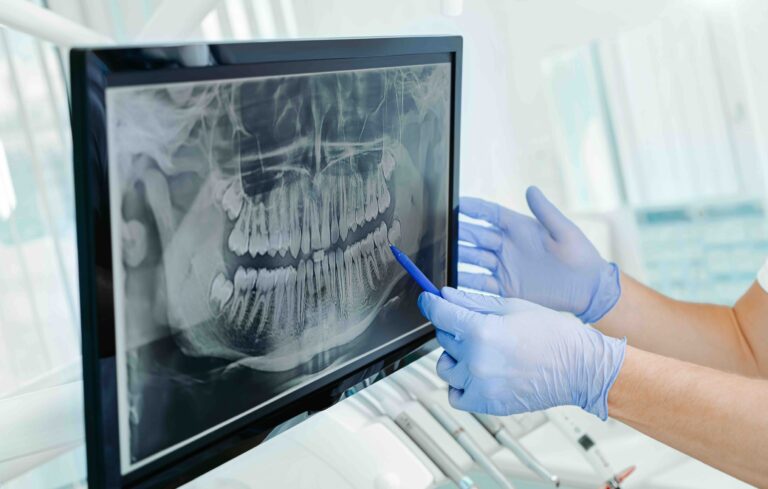
A comprehensive periodontal exam does more than confirm that gum disease is present. It maps its pattern and severity. Periodontists probe around each tooth, measure pocket depths, note bleeding points, assess gum recession, check mobility, evaluate furcation involvement on molars, and review imaging to see what is happening below the gumline. Bone loss is especially important because it tells a longer story than the gums alone.
This is where personalization begins. If bone loss https://maps.app.goo.gl/eVMwJJ9yZvqnPZvx9 is generalized across the mouth, the working assumption may be long-standing chronic periodontitis, often influenced by plaque control, genetics, or systemic disease. If the damage is isolated to a few teeth, the periodontist starts thinking differently. Is there a faulty restoration? A vertical root fracture? Trauma from the bite? Food impaction between contact points? The same pocket depth can mean different things depending on what surrounds it.
A patient in their early thirties with rapid bone loss and a strong family history presents a different clinical challenge than a retired patient whose inflammation has built slowly over decades. Both need treatment, but the pace, sequence, and long-term strategy may not look the same.
Severity matters, but so does the pattern
Not all gum disease behaves uniformly. Some mouths show a thin band of inflamed tissue around nearly every tooth. Others show deep destruction concentrated around the molars and lower front teeth. Those patterns matter because they hint at cause, risk, and prognosis.
A periodontist is looking at questions like these in real time:
- Is the disease mild, moderate, or advanced?
- Is it localized to a few teeth or generalized across the mouth?
- Is the tissue swollen and actively inflamed, or has it already receded and scarred?
- Has bone loss stabilized, or does it appear to be progressing?
- Are there teeth that can realistically be saved, and others that should be discussed more cautiously?
That last point is one of the hardest parts of periodontal care. Saving teeth is the goal, but not every tooth has the same outlook. A tooth with severe bone loss, mobility, and a vertical defect that can be cleaned and maintained may be worth treating aggressively. Another with a root crack, recurrent infection, and poor restorative options may not justify repeated intervention. Personalized care includes honest judgment, not just effort.
Medical history changes the plan more than patients realize
One of the most common misconceptions is that gum treatment is purely local, as if the gums exist in isolation from the rest of the body. They do not. Healing capacity, inflammation, bleeding risk, susceptibility to infection, and even pain management can all shift based on the medical history.
Diabetes is a classic example. Poorly controlled blood sugar is strongly associated with more severe periodontal disease and slower healing. In those cases, a periodontist may still begin with non-surgical therapy, but the conversation often includes tighter coordination with the patient’s physician and very clear expectations about maintenance. If the diabetes remains uncontrolled, treatment can help, but the response may be limited.
Smoking is another major factor. Tobacco changes blood flow, blunts visible bleeding, impairs healing, and increases the chance that treatment results will be less stable over time. Smokers sometimes assume their gums are not that inflamed because they do not bleed much. Clinically, the opposite can be true. The tissue may look deceptively calm while deep destruction continues. Treatment planning for a smoker often includes a frank discussion about outcomes. The goal is not to shame anyone. It is to explain the biological reality.
Certain medications complicate matters too. Blood thinners can affect surgical planning. Calcium channel blockers, some anticonvulsants, and immunosuppressive drugs can contribute to gum enlargement or altered healing. Dry mouth, whether from medication, autoimmune disease, or cancer therapy, can accelerate plaque accumulation and increase both gum and root surface problems.
Pregnancy, osteoporosis treatment, autoimmune conditions, and a history of head and neck radiation all add nuance. A personalized plan respects those variables instead of forcing every patient down the same path.
The cause is not always just plaque
Plaque is central to gum disease, but it is not always the full story. In practice, periodontists often find contributing factors that make one patient’s disease harder to control than another’s.
A crown that sits too far below the gumline can create a plaque trap that resists home care. A bridge with poor contours may make flossing nearly impossible. Crooked lower incisors can leave narrow, difficult-to-clean spaces where inflammation persists despite effort. Grinding and clenching do not cause periodontitis by themselves, but they can worsen mobility and discomfort in an already compromised mouth. Mouth breathing can dry tissues and aggravate inflammation in certain areas. Even anatomy plays a role. Some patients naturally have thinner gum tissue and narrower zones of attached gingiva, which can make recession more likely once inflammation begins.
When those factors are present, successful treatment often means doing more than reducing bacteria. It may require replacing faulty restorations, refining home care tools, adjusting the bite, or coordinating with a general dentist or orthodontist. That is personalization in a practical sense. The plan addresses what is keeping the disease active.
Non-surgical therapy is often the starting point, not the whole story
For many patients, the first phase of Gum Disease Treatment is non-surgical. This usually means scaling and root planing, often called deep cleaning, combined with improved home care and close re-evaluation. The purpose is to remove bacterial deposits and calculus from beneath the gums, reduce inflammation, and give the tissue a chance to tighten around the teeth.
That sounds simple, but the way it is delivered can vary. Some patients need treatment in one quadrant at a time. Others do better with a full-mouth approach over a shorter interval. Local anesthesia needs differ. So does the use of adjunctive antimicrobials. A patient with mild to moderate disease and good plaque control may respond beautifully to careful debridement alone. Another with deep pockets, heavy bleeding, and complex root anatomy may improve, but not enough to stop there.
The re-evaluation visit is where the personalized plan sharpens. A periodontist compares new measurements to the baseline, checks whether bleeding has decreased, and identifies sites that remain deep or inflamed. Many patients are relieved to hear that not every pocket requires surgery. If several areas improved from 6 millimeters to 3 or 4 with no bleeding, those sites may simply need ongoing maintenance. Treatment becomes selective rather than blanket.
Surgery is chosen site by site, not just mouth by mouth
When surgery is recommended, it is usually because specific areas have not responded enough to non-surgical care or because the anatomy of the defect makes surgery more predictable. This is another place where personalization shows clearly. A patient does not get "gum surgery" as one generic event. They may need one type of procedure on one side of the mouth and a completely different procedure in another area.
Pocket reduction surgery may be used where deep pockets remain and access is needed to clean roots and reshape defects. Regenerative procedures may be considered when the bone loss pattern is favorable, especially in contained vertical defects where graft materials and biologic agents have a better chance to rebuild support. Gum grafting comes into play when recession exposes roots, creates sensitivity, or leaves tissue too thin to remain stable. Crown lengthening may be the answer when decay or fracture extends below the gumline and restorative access is limited.
In real-world practice, some decisions are made chairside after the flap is opened and the defect is fully visible. Radiographs tell part of the story, but the actual bony architecture can look better or worse than expected. Experienced periodontists discuss that possibility in advance so patients understand why a plan may include contingencies.
Some patients need slower, staged care
A personalized plan is not only about choosing procedures. It is also about timing. Not everyone should move quickly from diagnosis to extensive therapy.
An anxious patient who has not had dental care in years may need the plan broken into manageable stages. A person with uncontrolled diabetes may benefit from stabilizing their health first, at least where possible. Someone facing multiple extractions, temporary replacements, and possible implants may need time to understand financial and functional trade-offs before committing.
There are also mouths where immediate full treatment is not the wisest move. If hygiene is very poor and motivation is uncertain, a periodontist may begin with limited therapy and reassess compliance. This is not punitive. Surgery performed in a mouth that cannot be kept clean often fails to deliver durable results. The patient deserves honesty about that.
One memorable pattern seen in practice is the patient who wants the most advanced treatment available right away, often because they are frightened of losing teeth. Yet their best chance of keeping those teeth may begin with something less dramatic: meticulous debridement, smoking reduction, tailored oral hygiene instruction, and a short re-evaluation interval. The sophisticated option is not always the first option.
Home care has to fit the person, not the brochure
No periodontal treatment plan succeeds for long without daily plaque control, but generic advice is often where things fall apart. Telling every patient to brush better and floss more is easy. Teaching techniques that fit a specific mouth is harder and far more useful.
A patient with tight contacts and healthy dexterity may do well with floss and an electric toothbrush. Another with bridges, implants, recession, and wider embrasures may need interdental brushes, floss threaders, and a sulcular brushing technique. Someone with arthritis may need larger handles or powered devices. A patient with orthodontic relapse and crowding may need smaller brushes and more frequent professional maintenance.
This is one area where personalization often feels very tangible to patients. When the instructions are specific enough to solve a real problem, such as how to clean a furcation on a lower molar or how to avoid traumatizing a recessed canine, compliance improves. People are much more likely to follow advice that feels achievable and clearly linked to the sites their periodontist is monitoring.
Maintenance intervals are rarely one-size-fits-all
After active treatment, periodontal maintenance becomes the backbone of long-term stability. The traditional three-month recall interval is common for a reason. Many studies and years of clinical experience support more frequent maintenance for patients with a history of periodontitis. But even here, personalization matters.
Some patients do very well at three-month intervals for years. Others can cautiously shift to four months if their pockets remain stable, bleeding is minimal, and home care is excellent. A smoker with recurrent inflammation around molars might need to stay on a shorter interval indefinitely. A patient with implants and a history of advanced periodontitis may need especially close monitoring because their risk for peri-implant problems is not theoretical.
Maintenance visits are not routine cleanings under a different name. They involve ongoing measurement, evaluation of bleeding and plaque levels, reinforcement of home care, selective instrumentation of residual pockets, and review of any changes in medical status. If a site begins to relapse, catching it early can prevent a much larger problem.
Restorative and orthodontic details can make or break outcomes
Periodontists do not work in a vacuum. Some of the best treatment plans are interdisciplinary. If a filling overhang is driving inflammation, the tooth may need restorative correction. If spacing or crowding keeps plaque trapped despite diligent care, limited orthodontic movement may improve cleansability. If missing teeth have altered the bite and overloaded the remaining dentition, restorative planning becomes part of periodontal stabilization.
This is especially relevant in advanced cases. A patient may arrive focused on one loose tooth, but the real issue is broader: drifting teeth, collapsed bite, missing posterior support, and years of untreated inflammation. In that setting, periodontal treatment is part of a larger rehabilitation plan. The sequence matters. Stabilize infection first, then move into restorative or orthodontic phases once the tissue is healthier and more predictable.
These cases take judgment. Moving teeth through inflamed tissue is risky. Restoring teeth with uncertain periodontal support can be wasteful. Extracting too early can create regret if salvage was realistic. Extracting too late can waste time and money on a tooth with little future. Personalization often means knowing when to pause and coordinate.
Patient goals matter, even when the biology sets limits
A technically sound plan still has to fit the patient’s priorities. Some patients want the most conservative path that preserves natural teeth as long as possible. Others prioritize comfort, fewer visits, or faster transition to replacement options. Neither approach is wrong, but each changes how treatment is framed.
Consider two people with similar bone loss around a molar. One is committed to saving every restorable tooth and is willing to attend frequent maintenance visits. The other is overwhelmed by repeated dental treatment and wants the most predictable long-term option with the fewest surprises. The first may accept periodontal surgery and years of monitoring. The second may choose extraction and replacement after a thoughtful discussion. The biology does not dictate the same answer for both.
Good periodontists do not simply ask, "What can I do here?" They also ask, "What is this patient realistically prepared to maintain, tolerate, and value?" That is not lowering the standard of care. It is aligning treatment with real life.
Red flags that often lead to a more tailored approach
Certain findings tend to push treatment planning away from a routine pathway and toward more customization.
- Deep isolated defects next to otherwise stable teeth
- Gum recession with thin tissue and exposed root sensitivity
- Persistent bleeding around crowns, bridges, or implants
- History of smoking, diabetes, or previous periodontal relapse
- Mobility that seems out of proportion to the visible inflammation
Each of these scenarios raises different questions. An isolated defect may be ideal for regeneration, or it may hide a fracture. Thin tissue may respond poorly to aggressive instrumentation and benefit from grafting. Implant inflammation may require a different maintenance strategy than natural teeth. Personalization starts with noticing these deviations instead of treating every finding as interchangeable.
The emotional side of treatment planning is real
Gum disease can carry a quiet psychological burden. Many patients feel embarrassed when they hear terms like bone loss or periodontal pockets. Some assume they have failed somehow. Others become so anxious about losing teeth that they struggle to absorb the treatment discussion.
Experienced clinicians recognize this and pace the conversation accordingly. They explain what is reversible and what is not. They separate inflammation, which can often be reduced dramatically, from structural loss, which may only be managed or selectively regenerated. They avoid promising perfect restoration of lost support when that is unrealistic. At the same time, they make clear that a diagnosis of periodontitis is not a sentence to inevitable tooth loss. Much depends on how the disease responds, how well contributing factors are controlled, and how consistently maintenance is followed.
A personalized plan, then, is partly clinical and partly communicative. Patients do better when they understand why the plan is built the way it is.
What a well-personalized plan usually includes
At its best, a periodontal treatment plan feels specific, not generic. It reflects the disease pattern, the patient’s health, and the likely response to therapy. It also leaves room for re-evaluation because gum disease treatment is rarely a one-visit decision.
Most strong plans include a few common elements:
- a clear baseline of measurements and imaging
- a first phase aimed at reducing inflammation and bacterial load
- a scheduled re-evaluation with decisions based on actual tissue response
- selective use of surgery, grafting, or regeneration where the benefit is meaningful
- a maintenance schedule matched to the patient’s ongoing risk
What separates thoughtful care from formulaic care is not complexity for its own sake. It is relevance. If the patient has shallow generalized inflammation and excellent healing potential, the plan may stay conservative. If they have advanced defects, thin tissue, uncontrolled risk factors, and restorative problems, the plan becomes more layered. Both can be appropriate.
Why personalization improves outcomes
There is a practical reason periodontists individualize care so carefully: the mouth remembers shortcuts. Pockets left unaddressed because they seemed inconvenient often flare again. Surgery done in tissue that was not prepared properly can disappoint. Teeth maintained heroically without realistic home care may relapse. On the other hand, a selective, disciplined plan often preserves more comfort, function, and natural dentition than patients expect.
Personalized Gum Disease Treatment is not about making things complicated. It is about matching treatment intensity to disease behavior, respecting biological limits, and designing something the patient can actually sustain. That is what gives the plan staying power.
When patients understand that their treatment is being tailored rather than standardized, they often feel more confident in the process. They see that the goal is not simply to complete a procedure, but to create conditions where the gums can stay healthy over time. In periodontics, that long view is everything.
Dental Group Of Beverly Hills
Address: 8641 Wilshire Blvd #125, Beverly Hills, CA 90211
Phone number: +13109296335
FAQ About Gum Disease Treatment
How to improve gum health quickly?
To improve gum health quickly, eliminate plaque buildup by brushing for two full minutes twice a day at a 45-degree angle to the gumline. Floss daily to clean under the gumline, and rinse with an antimicrobial, alcohol-free mouthwash. For immediate relief of soreness, use a warm saltwater rinse.
What is the fastest way to cure gum disease?
To quickly cure early-stage gum disease (gingivitis), eliminate the plaque buildup causing the inflammation. Brush gently but thoroughly for two minutes twice daily, floss daily, and use an antibacterial mouthwash or a warm saltwater rinse. However, if tartar has hardened, professional treatment is necessary.
How do I treat my gum disease at home?
You can treat early gum disease at home by practicing strict daily oral hygiene, rinsing with salt water or antibacterial mouthwash, and quitting smoking. True gum disease (especially advanced forms like periodontitis) cannot be fully cured at home once tartar forms, and you must see a dentist for professional cleanings.