How Diabetes and Gum Disease Relate to Periodontal Treatment Ventura

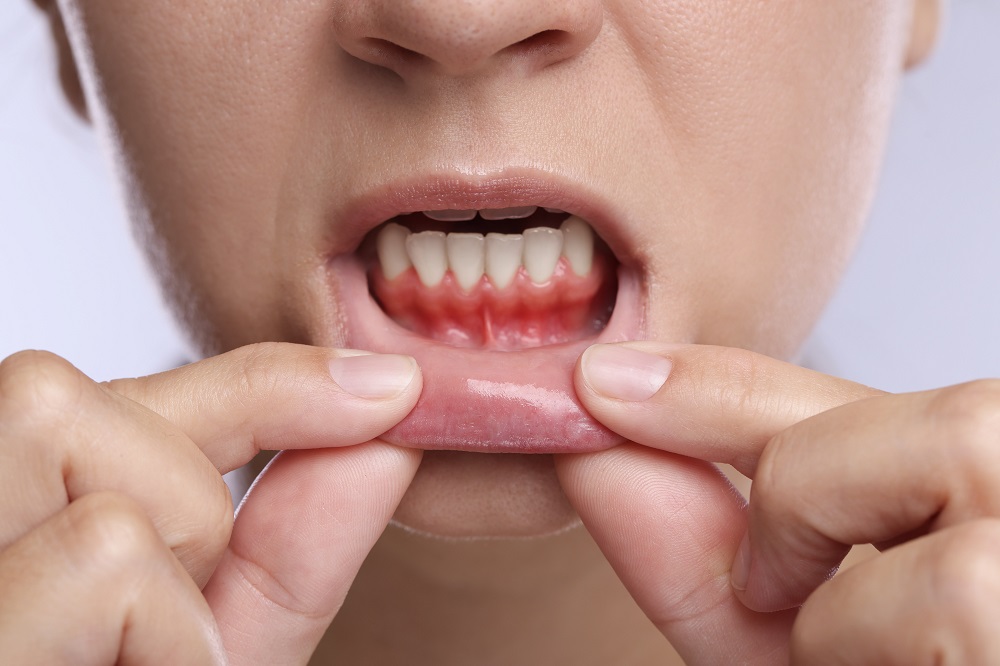
Diabetes and gum disease affect each other in ways that are easy to underestimate until problems begin to stack up. A patient may come in thinking they have a dental issue because their gums bleed when they brush, or because their breath has changed, or because a tooth feels slightly loose. Underneath that dental complaint, there is often a broader metabolic story. Elevated blood sugar can make gum tissue more vulnerable to infection, slow healing, and intensify inflammation. At the same time, active periodontal disease can make blood sugar harder to control. It is a two-way relationship, and it is one that matters a great deal when planning care.
In practice, this means periodontal treatment is rarely just about cleaning the teeth. For patients with diabetes, especially those whose glucose control has been inconsistent, treatment decisions need to account for healing time, infection risk, home care habits, medication schedules, and the presence of dry mouth or other oral changes. In a community like Ventura, where people often balance work, family demands, and long gaps between preventive visits, these details matter. They shape outcomes.
The connection is not theoretical
Healthy gums are supported by a delicate balance between bacteria, immune response, and tissue repair. Diabetes can disrupt all three.
When blood glucose remains elevated over time, the body’s inflammatory response changes. White blood cells do not always function as effectively as they should. Blood vessels can also be affected, which reduces efficient delivery of oxygen and nutrients to tissue. In the mouth, that combination creates an opening for plaque bacteria to do more damage than they might in a person without diabetes. Small irritations become persistent inflammation. Mild gingivitis can advance into periodontitis more quickly. Tissue that should bounce back after routine cleaning may stay tender or swollen longer.
Now look at it from the other direction. Periodontal disease is a chronic bacterial infection with an inflammatory burden. That ongoing inflammation does not stay neatly confined to the gums. For some patients, active gum disease adds to the difficulty of keeping blood sugar in a target range. They may be doing many things right with food, medication, and exercise, yet still find their numbers more stubborn than expected. Once gum infection is treated and inflammation reduced, some patients notice that glucose management becomes more predictable. It is not a cure for diabetes, of course, but it can remove one obstacle.
This is why dentists and physicians increasingly view periodontal disease as part of whole-body health, not an isolated dental nuisance.
What gum disease often looks like in a person with diabetes
The early signs can be subtle. Some people expect severe pain if they have a serious gum problem, but periodontal disease often progresses quietly. Bleeding during brushing is one of the most common clues. Swelling, tenderness, bad taste, chronic bad breath, or gums that seem to pull away from the teeth may follow. In more advanced cases, patients may notice spaces opening between teeth, changes in their bite, or mobility in one or more teeth.
Dry mouth is another detail that should not be overlooked. Many patients with diabetes report persistent dryness, and some also take medications that worsen it. Saliva helps protect oral tissues and control bacterial growth. When saliva flow is reduced, plaque accumulates more easily, tissues become irritated, and cavities and gum problems can both accelerate.
These are the signs that deserve prompt attention:
- bleeding gums during brushing or flossing
- redness, puffiness, or tenderness along the gumline
- persistent bad breath or a sour taste
- gums pulling away from teeth
- loose teeth or shifting bite
A person may have one symptom or several. The absence of pain does not mean the gums are healthy.
Why blood sugar control changes the treatment picture
When clinicians talk about diabetes control in relation to dental treatment, they are not trying to push beyond their lane. They are trying to predict healing and reduce complications.
A patient with stable, well-managed diabetes often responds to periodontal care much like a non-diabetic patient, though close follow-up is still wise. A patient whose glucose is frequently high may have more inflammation at baseline, deeper periodontal pockets, slower soft tissue healing, and a greater chance of recurrent infection after treatment. That does not mean care should be delayed indefinitely. It means care should be planned carefully, with realistic expectations and better coordination.
Sometimes the first dental appointment reveals a pattern. The gums bleed heavily during probing, plaque hardens into calculus below the gumline, and tissue stays inflamed despite brushing. The patient may mention that their A1C has been high, that they have missed medical follow-ups, or that their mouth feels dry all the time. In cases like that, successful treatment depends on more than mechanical cleaning. It depends on home care, recall intervals, and often better medical follow-through.
This is one reason the phrase Periodontal Treatment Ventura can mean different things for different patients. Two people may both need scaling and root planing, but one may heal uneventfully while the other needs tighter maintenance, more frequent re-evaluation, and stronger reinforcement around diabetes self-management.
The role of inflammation, and why it lingers
Inflammation is the body’s protective response, but chronic inflammation is destructive. In periodontal disease, plaque bacteria trigger the immune system. If that bacterial challenge persists, the immune response can begin to harm the very tissues it is trying to defend. Ligament fibers break down. Bone support is gradually lost. The pockets around teeth become deeper and harder to clean. For a person with diabetes, especially poorly controlled diabetes, this inflammatory cycle can become more intense and more persistent.
That persistence matters after treatment too. A patient may feel better after a deep cleaning because tenderness decreases and bleeding improves. Yet if blood sugar stays unstable, the biological conditions that allowed the disease to thrive may still be present. This is why maintenance is not optional. It is the phase that protects the initial result.
Clinicians who treat a lot of periodontal disease know that technical skill alone does not determine long-term success. The best instrumentation in the world will not overcome chronic neglect, severe dry mouth, smoking, or untreated hyperglycemia. The treatment has to fit the patient’s actual life.
What periodontal treatment usually involves
The phrase periodontal treatment covers a range of care depending on disease severity. Mild cases may improve with a thorough professional cleaning and very consistent home hygiene. Moderate to advanced disease often requires scaling and root planing, which removes plaque and hardened deposits from below the gumline and smooths root surfaces so tissue can begin to heal.
At a re-evaluation visit, the provider looks for changes in bleeding, pocket depth, tissue tone, and comfort. Some areas respond well. Others do not. A patient with diabetes may show uneven healing, particularly where plaque control remains difficult or where blood sugar control has been poor. Localized antimicrobial therapy may be considered in select cases. More advanced disease can call for referral to a periodontist for surgical treatment, pocket reduction, regenerative procedures, or management of complex defects.
What matters most is that care is individualized. Not every deep pocket means surgery. Not every diabetic patient heals badly. The treatment plan should be based on findings, risk factors, and response over time.
In Ventura practices, this often translates into a practical rhythm: diagnosis, initial therapy, re-evaluation, then maintenance at intervals that match risk rather than a one-size-fits-all schedule. Many diabetic patients benefit from maintenance visits more often than twice a year.
Why timing and appointment planning matter
For people with diabetes, the logistics of treatment can influence safety and comfort just as much as the procedure itself. Morning appointments often work well because blood sugar tends to be more predictable earlier in the day and the patient is less likely to be fatigued. Eating beforehand, unless specifically told otherwise by a physician, is usually important. Skipping a meal before a dental visit while still taking diabetes medication can create a very different problem.
Providers also need an accurate medication history. Insulin, sulfonylureas, GLP-1 medications, blood thinners, blood pressure drugs, and medications that reduce salivary flow all affect planning. Some patients are embarrassed to admit that they do not know their last A1C or that they sometimes miss doses. From a treatment standpoint, honesty helps far more than perfection.
Before starting care, many patients do well with a simple routine:
- take diabetes medications as prescribed unless a physician has given different instructions
- eat a normal meal before the appointment when appropriate
- bring a current medication list
- let the dental team know about recent changes in blood sugar control
- keep a quick source of glucose available if hypoglycemia is a concern
These are small steps, but they reduce surprises and make treatment smoother.
The home care piece is where outcomes are won or lost
This is the part patients often do not want to hear because it is repetitive and personal. But it is also where the biggest gains happen.
Periodontal treatment can remove bacteria and calculus that patients cannot reach on their own. What it cannot do is keep the mouth clean every day between visits. That work happens at the bathroom sink, often when people are tired, rushed, or distracted. For patients with diabetes, consistency matters even more because tissue may not tolerate neglect as well.
A soft toothbrush, careful brushing at the gumline, and interdental cleaning are the https://lainedaev.gumroad.com/p/periodontal-treatment-ventura-the-key-to-stronger-gums foundation. Whether floss, interdental brushes, or water flossing is the right choice depends on spacing, dexterity, restorations, and patient compliance. The best method is the one the patient will use correctly every day. Mouth rinses can help in some cases, but they are not substitutes for mechanical plaque removal.
Diet also shows up in the mouth. Frequent sugary snacks, sweetened coffee sipped over hours, sports drinks, and nighttime grazing all feed bacteria and prolong acid exposure. People managing diabetes are often already thinking about carbohydrates, but the oral pattern matters too. A single dessert with a meal is usually less damaging than repeated sugar exposure throughout the day.
One practical truth from clinical experience: patients who improve their gum health are rarely those who buy the most products. They are usually the ones who simplify their routine and repeat it faithfully.
When antibiotics help, and when they do not
Some patients assume that a gum infection should be treated with antibiotics the way a sinus infection might be. Periodontal disease does not work that simply. The bacterial colonies involved are organized in a biofilm, which makes them harder to eliminate with medication alone. Mechanical disruption, meaning professional removal of plaque and calculus, is the main treatment.
Antibiotics may have a role in specific situations, such as acute periodontal abscesses, certain aggressive patterns of disease, or cases where a specialist determines adjunctive therapy is appropriate. But antibiotics without debridement generally do not solve the problem. Overuse also brings risks, including resistance, stomach upset, and secondary infections.
For diabetic patients, this distinction is important. If healing is delayed, the answer is not automatically another prescription. Sometimes the issue is residual deposits, inadequate home care, uncontrolled blood sugar, dry mouth, smoking, or a need for specialist intervention.
Smoking, stress, and other factors that complicate the picture
Diabetes and gum disease already create a difficult pairing. Add smoking, and the challenge grows. Smoking impairs blood flow, suppresses visible signs of inflammation, and slows healing. A smoker with diabetes may have severe periodontal destruction with less obvious bleeding than expected, which can create a false sense of security.
Stress matters too. High stress can affect sleep, eating habits, blood sugar regulation, teeth grinding, and self-care routines. Some patients go through months of unstable health after a job loss, caregiving crisis, or bereavement, and their mouths show it. The periodontal chart often tells that story before they say it out loud.
There are also edge cases that deserve nuance. A patient can have excellent A1C values and still struggle with periodontal disease because of genetics, anatomy, smoking history, or limited dexterity. Another patient may have imperfect diabetes control but very stable gum health because they are meticulous with maintenance and receive care early. Risk is not destiny. It is a guide.
What patients in Ventura should ask when seeking care
When someone is looking for Periodontal Treatment Ventura, the right question is not just “Do you offer deep cleanings?” It is whether the office evaluates periodontal disease comprehensively and understands how diabetes affects treatment planning.
That means asking how periodontal measurements are recorded, whether radiographs are used to assess bone levels, how re-evaluation is handled after initial therapy, and how maintenance intervals are determined. It also means paying attention to whether the team asks thoughtful medical questions. If an office ignores diabetes history, dry mouth complaints, medication changes, or signs of delayed healing, something important is being missed.
Good care feels both clinical and practical. The provider should explain what is happening in plain language, describe what can improve, and be honest about what cannot be reversed. Bone lost to periodontitis does not simply grow back in most routine cases. Inflamed tissue can become healthier. Pockets can become easier to maintain. Bleeding can be reduced dramatically. Teeth can often be stabilized if disease is treated early enough and maintained well.
That combination of candor and encouragement is worth looking for.
The maintenance phase is where health is protected
Patients often think the hard part is the initial deep cleaning. In reality, the hard part is maintaining the result year after year.
Periodontal maintenance is not the same as a routine cleaning. It is a structured follow-up process for people with a history of periodontal disease. The clinician monitors pocket depths, bleeding points, plaque retention, gum recession, mobility, and radiographic changes over time. Areas that relapse are addressed early, before they become emergencies.
For diabetic patients, that surveillance is especially valuable. Health status changes. Medications change. Stress levels change. A person who did beautifully for two years may return after a difficult season with more inflammation and heavier deposits. Catching that early can prevent tooth loss.
A common mistake is stretching maintenance visits because the mouth feels fine. Periodontal disease does not always announce itself with pain. By the time discomfort appears, the relapse may already be advanced. Shorter intervals often save money, time, and teeth in the long run.
A realistic view of prognosis
Not every tooth can be saved, and not every patient needs extensive intervention. The art lies in distinguishing between the two.
A molar with deep bone loss, furcation involvement, mobility, and poor access for hygiene may carry a guarded prognosis, particularly in a patient with uncontrolled diabetes and inconsistent follow-up. A front tooth with moderate pocketing and good home care may remain stable for many years after treatment. These judgments are never based on one factor alone. They rely on the whole picture.
Patients deserve honesty about that picture. Sometimes the best periodontal care involves preserving what is maintainable and removing what has become a repeated source of infection. Delaying that decision for too long can damage adjacent teeth and exhaust the patient physically and financially. On the other hand, removing teeth too quickly without trying appropriate therapy can also be a mistake. Sound periodontal treatment is rarely extreme. It is measured, evidence-based, and tailored.
Where medical and dental care should meet
The best outcomes happen when dental and medical care stop acting like separate worlds. If a patient’s gums remain severely inflamed despite appropriate treatment, it may be wise to encourage a medical review of diabetes management. If a physician notices a patient struggling with glucose control and recurring oral complaints, a periodontal evaluation makes sense.
This is not about shifting responsibility. It is about closing the gap that often leaves patients bouncing between providers without a clear explanation. Gum disease can be one more inflammatory burden in a patient already managing a demanding chronic condition. Addressing it can improve comfort, chewing, confidence, and often the predictability of daily diabetes care.
That is why the relationship between diabetes and gum disease deserves more than a passing mention during a dental exam. It affects diagnosis, treatment planning, healing, maintenance, and long-term tooth survival. For patients seeking Periodontal Treatment Ventura, understanding this relationship is not academic. It is the basis for care that actually works.
Avra Dental
Address: 1708 S Victoria Ave B, Ventura, CA 93003
Phone number: (805) 941-1001
FAQ About Periodontal Treatment Ventura
Can a dentist get rid of periodontal disease?
A dentist or gum specialist (periodontist) cannot fully cure or reverse advanced periodontal disease (periodontitis), but they can successfully stop its progression and manage the infection.
Is periodontitis very serious?
Yes, periodontitis is a very serious, advanced form of gum disease that destroys the bone and tissues supporting your teeth.
How is stage 2 periodontal disease treated?
Stage 2 periodontal disease (early to moderate periodontitis) is primarily treated with non-surgical deep cleaning procedures like scaling and root planing to remove bacteria and tartar below the gumline.